Who Are We Buying and Who Are We Avoiding? Our 2026 Fantasy Football Picks

- 27
- Reads
- 0
- Likes
- 0
- Comments
Related links
 2026 NFL Fantasy PicksSeason 1 · Episode 56

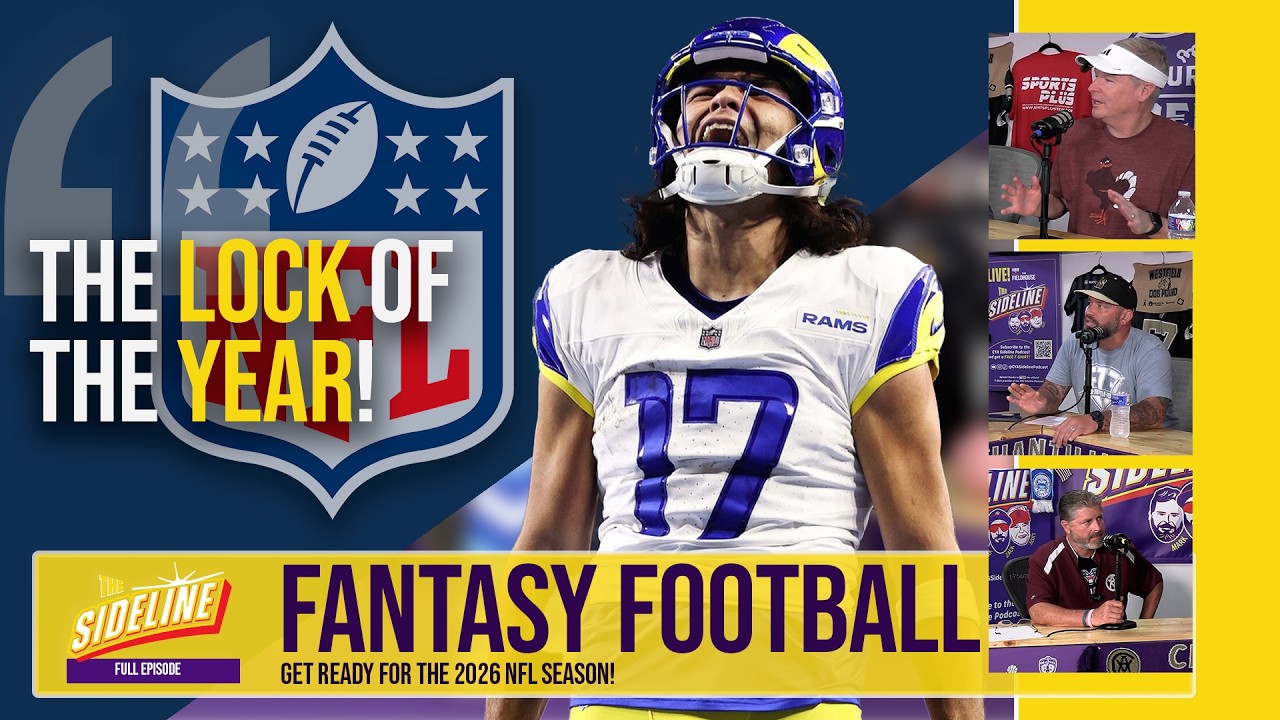
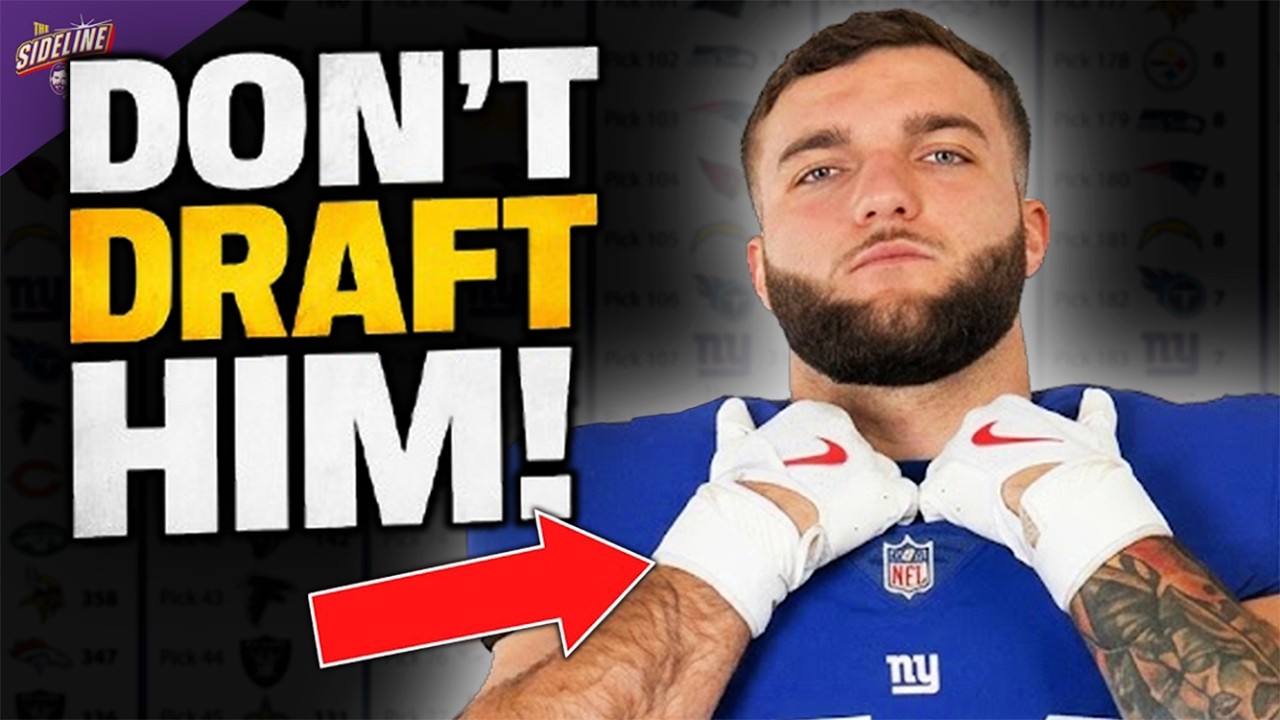
Fantasy football rankings are useful, but they are not the final answer. A player can be great at football and still be a poor fantasy selection if his draft price is too high, his role is unclear or the offense around him limits his opportunities.
The Sideline's 2026 fantasy football coverage applies one basic rule: draft the situation and the value, not just the name. That means considering expected workload, supporting cast, health and cost together. It also means recognizing that a sleeper does not have to be an unknown player. Sometimes the best value is a proven player who has fallen too far.
The rankings discussed below were available when the episodes were recorded. Rankings will change, but the reasoning behind each selection can still help fantasy managers make better decisions.
What Makes a Strong Fantasy Pick?
A strong fantasy pick offers more opportunity than the draft price suggests. That opportunity may come from an increased role, a better supporting cast, an injury elsewhere on the roster or a ranking that places too much weight on the previous season.
Risk works the same way in reverse. A highly ranked player can become a dangerous selection when his expected workload, health or team situation does not support the price. Calling a player a possible bust does not mean he lacks talent. It means the cost leaves very little room for anything to go wrong.
Quarterbacks to Target
Jordan Love
Jordan Love represented one of the clearest quarterback values. Green Bay had enough receiving options to spread the ball around, while uncertainty in the running game created a reasonable path to more passing attempts.
Pro tip: You should draft him higher than 21. He can easily make the top 12 this season.
Matthew Stafford
Matthew Stafford offered a different kind of value. His age pushed him down some rankings, but the structure of the offense remained favorable. Reliable receivers gave him multiple ways to move the ball, while the backfield provided a safe option when pressure arrived.
The expected passing volume was central to the pick: “He may get one rushing touchdown if he's lucky this year, but he's going to sling the ball. He's going to throw the ball.”
Stafford did not need to become a different quarterback to outperform his price. He only needed to continue distributing the football to the playmakers around him. That made him a reasonable later selection or a strong second quarterback.
Trevor Lawrence
Trevor Lawrence provided another middle-round option. The attraction was not that every question in Jacksonville had already been answered. It was that his price left room for the offense to improve without requiring fantasy managers to pay for a guaranteed star.
That balance matters. Lawrence offered upside without forcing one selection to carry the entire fantasy roster.
Quarterbacks Carrying More Risk
Lamar Jackson, Jayden Daniels and Jaxson Dart all introduced the same basic concern: draft cost. Each player offered obvious physical ability, but a high ranking increases the damage if injuries, team performance or an inconsistent role get in the way.
Quarterbacks who produce with their legs can win fantasy matchups. They also absorb additional contact. Daniels and Dart brought another question because their available track records did not provide the same level of certainty as several established options being selected around them.
The key is not to remove these players from every draft board. It is to set a price. If one falls, the value changes. If the price remains high, a safer quarterback may leave more room to strengthen the rest of the roster.
Running Backs to Target
Breece Hall
Breece Hall's can do a lot of things. He can contribute as a runner and receiver, create yards after contact and remain useful in several game situations. The offense around him created concern, but those concerns also helped lower his cost.
The truth is, he's got all the talent in the world. He's fast. He can catch the ball. He can run the ball. He breaks tackles. He does it all.
As fantasy managers we sometimes punish a talented player too much for being part of an offense they do not trust. Hall offered value if his draft position fell further than his expected workload justified.
Ashton Jeanty
Ashton Jeanty fit better as a target than a traditional sleeper. His price changed after his rookie season, but his talent remained clear. A healthy offense with several credible weapons could also prevent defenses from focusing entirely on the running game.
Jeanty did not need to be overlooked to provide value. He only needed to outperform the reduced expectations attached to his new draft position.
A High-Cost Running Back Risk
Christian McCaffrey presented the most difficult running-back decision. His ability made him almost impossible to dismiss, but his age, injury history and previous workload created real risk at a premium price.
f there's a category for most nervous pick I'd probably put McCaffrey there.
That does not make McCaffrey a bad player. It means we should account for the effect of a reduced workload or missed time. Even a small change in usage can lower the value of an early selection. Anyone drafting him should leave the draft with enough depth to manage that possibility.
Wide Receivers to Target
Alec Pierce
Alec Pierce stood out because his expected opportunity was increasing while his price remained manageable. He had already demonstrated big-play ability, and changes in the offense gave him a chance to receive a larger share of the passing game.
So he's the flat out number one guy.
That is the profile of a useful sleeper. The draft cost does not require the best possible outcome, but the available role creates a path toward it.
Courtland Sutton
Courtland Sutton offered value through a strong existing role and a changing offense. Adding another deep threat could force defenses to divide their attention, creating better matchups rather than simply taking targets away from Sutton.
An established connection with his quarterback added another layer of stability. Sutton did not need a dramatic change in performance to finish ahead of his draft position.
Rome Odunze
Rome Odunze represented an upside selection. His connection with Caleb Williams improved as the previous season progressed, and another year in the same offense created a reasonable expectation of better timing and more opportunities.
Young receivers rarely develop according to a perfect schedule. Fantasy managers who focus only on the previous year's final totals can miss the value created by development that has already started.
Wide Receivers to Avoid at the Wrong Price
CeeDee Lamb created concern because his premium price required another elite season. Additional receiving options and questions about how targets would be distributed reduced the margin for error. The issue was not his talent. It was whether the expected role justified using one of the most valuable picks in the draft.
Drake London carried a different risk. His individual ability was not the problem. Quarterback uncertainty could limit how consistently that ability produced fantasy points. The transcript stated the limitation plainly: “But you got to be able to have somebody throw you the football to put up numbers.”
Jameson Williams presented a third kind of risk. His speed could change a game in one play, but fantasy managers also need predictable weekly opportunities. The concern was concise: “But he's too unreliable week to week.”
Each receiver could become a good selection at the right price. The mistake would be paying for the best possible outcome while ignoring the factors that could prevent it.
A Simple Draft Plan
Start with opportunity.
STEP 1
Estimate how often a player can realistically touch the ball or receive a target. Talent matters, but talent without opportunity is difficult to use in fantasy football.
STEP 2
Compare that opportunity with the price. A good player can be overpriced, and a less popular player can become valuable when the cost is low enough.
Account for risk before the draft ends. Players with injury concerns, uncertain roles or volatile weekly production require depth behind them. A backup plan protects the roster without requiring managers to avoid every risky player.
STEP 3
Finally, continue evaluating the information after the draft. Roles, injuries and matchups change throughout the season. The same principles used to find draft value can also guide weekly lineup and waiver decisions.
Good luck this season! Don't forget to share your thoughts and picks with us!