


Why Fun Matters in Youth Sports: Lessons from James Eliuda's Journey

- 24
- Reads
- 0
- Likes
- 0
- Comments
Related links
 James Eliuda on Division 1 Soccer, George Mason and His MLS DreamEpisode 58

I was just having fun, to be honest, I didn't know they were going to take me out [of the country] or anything like that. I was just playing there, having fun.
A strange thing happens when a young athlete starts showing promise. The game can stop feeling like a game. The innocence of "I'm just going out to the park to kick a ball around" gets stripped away. We are not only seeing this happen more and more but at younger ages as well. When our athletes reach this point or are brought to this point, the root cause becomes an issue.
Whether that pressure is self-imposed or extrinsic is a whole other conversation on its own. Whatever the case may be, we realize that practices become evaluations. Tournaments become recruiting opportunities. Before long, everyone is thinking about where the sport might take the child except the child who first showed up because playing was fun.
The truth is the raising of the stakes is 100 percent normal, but there's one thing that we cannot keep removing from the equation if we want to truly reap the benefits of participating in youth sports at all levels. That is why one small part of our conversation with James Eliuda stayed with us. When James described playing soccer as a kid in South Sudan, he did not begin with a training plan or a professional pathway. He was just a boy looking to have some fun in his free time.
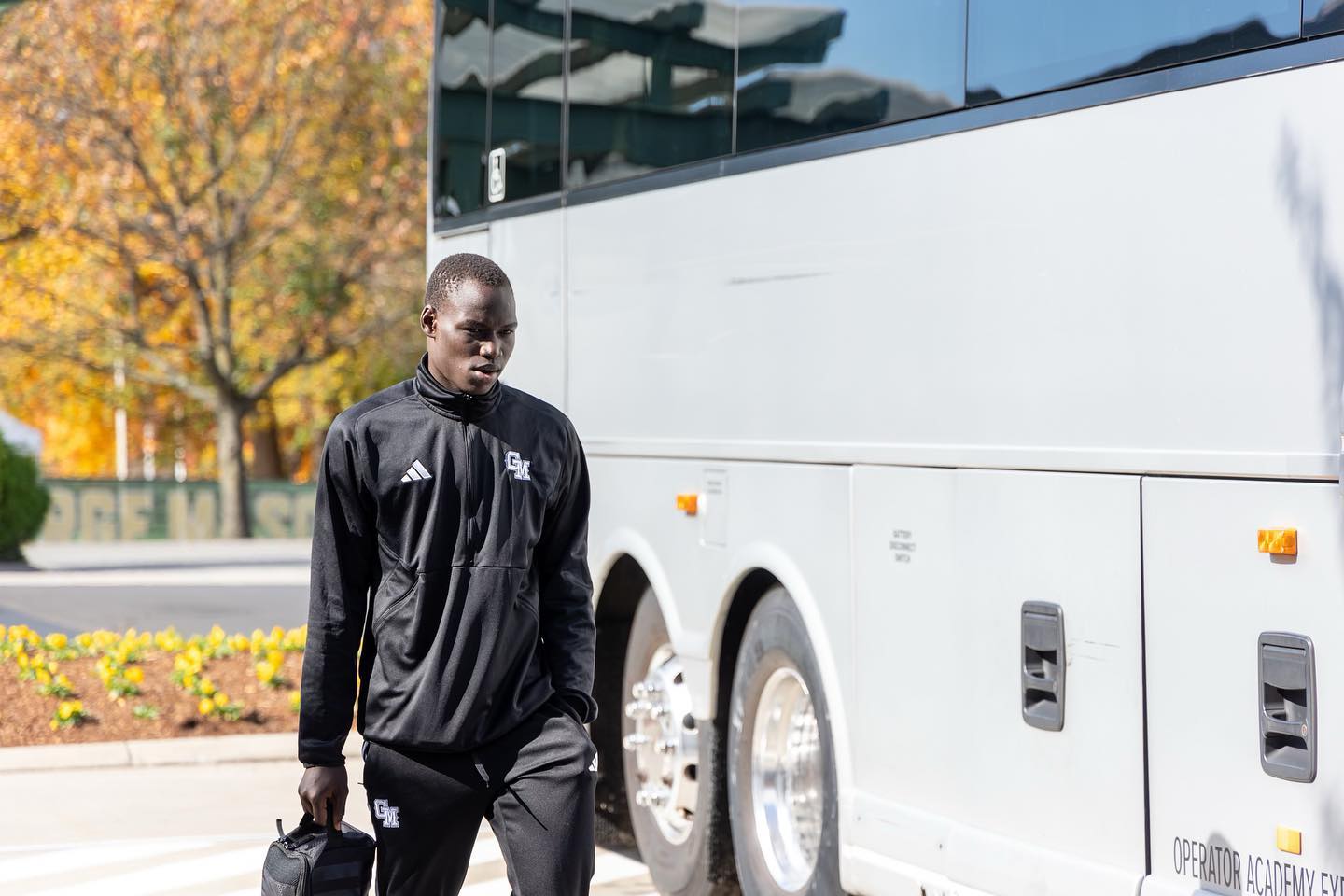
Today, James is a Division I midfielder at George Mason. He has represented South Sudan at the youth level, earned all-conference recognition and hopes to continue playing professionally. None of that makes fun a magic formula for reaching college soccer. His journey required sacrifice, coaching, education and more hours of work than most people ever see.
But the fun came first. That matters.
Fun keeps athletes in the game
An athlete cannot develop in a sport they no longer want to play.
That sounds obvious, but youth sports can make it surprisingly easy to forget. We measure wins, rankings, playing time and progress because those things are visible. Enjoyment is harder to place on a stat sheet. It is still one of the reasons a young athlete comes back after a difficult practice, tries a skill again after failing and spends extra time with a ball when nobody is watching.
James played because he loved soccer. The larger ambition grew as the opportunities became real. Playing with South Sudan’s under-15 and under-17 teams helped him see that the game could take him somewhere. He also competed with older players and eventually left home as a teenager to pursue that possibility.
The order is important. He did not need a complete career plan before he was allowed to enjoy the sport. Enjoyment gave him a reason to stay close to it. Then the work, competition and ambition had somewhere to grow.
Fun does not mean lowering the standard
There is a tendency to treat fun and discipline as opposites. They are not.
James now describes days that can begin with early treatment, continue through video, practice and lifting, and finish around a college class schedule. Tracking data shows that he can cover roughly eight miles during a match. That is serious work.
The lesson is not that athletes should avoid difficult coaching or only do what feels easy. The lesson is that demanding work becomes more sustainable when the athlete still has a personal reason to care about it.
A good youth sports environment can challenge a player without making the result feel like the only thing that matters. It can correct mistakes without embarrassing the athlete. It can build discipline while leaving enough room for creativity, friendships and the simple excitement of playing.
That balance may look different for every child. The question for us as a community is whether our version of development is helping the athlete build a relationship with the game or slowly replacing that relationship with pressure.
The adults around the athlete still matter
James did not make the journey alone. His mother and coaches also insisted and ensured that education remain part of the plan.
At one point, he was focused on soccer and did not see school the same way the adults around him did. They kept pushing. Years later, he is completing a Sport Management degree while pursuing the professional game.
That is another useful reminder. Supporting joy does not mean leaving a child without structure. As a community, we should protect the parts of an athlete’s future that a teenager may not fully appreciate yet. Education, recovery, personal responsibility, good nutrition and life outside the sport do not compete with development. They make the pathway healthier.
We can help our athletes take their dreams seriously without having every childhood decision must serve that dream.
What parents and coaches can take from James’s story
There is no single route from youth sports to college athletics. James’s path began in Juba, continued through youth national teams, training in Kenya and a move to Florida before reaching George Mason. Most athletes will not follow anything close to that route.
The part that travels well is much simpler:
* Ask the athlete what they enjoy about the sport, not only what they want to achieve. * Leave room for unstructured play and creativity. * Treat hard work as a skill to build. * Keep education and personal growth in the picture. * Pay attention when the joy disappears for a long period of time.
Fun will not carry an athlete farther than their ability, opportunity and circumstances allow. James’s own journey makes that clear. It can, however, keep the athlete connected to the sport long enough to discover how far those things might take them.
Maybe that is the part of youth development we make too complicated. Before the rankings, recruiting profiles and long drives to tournaments, a child has to want to come back and stay.
You can hear James tell his full story in our conversation about Division I soccer, education and his professional dream.