


7 Lessons on What It Takes to Get to the NFL Featuring Taylor Morin
- 31
- Reads
- 0
- Likes
- 0
- Comments
Related links
 Taylor Morin on Wake Forest, NIL and the NFLSeason 1 · Episode 31

Taylor Morin is the kind of athlete every youth sports organization hopes to help develop.
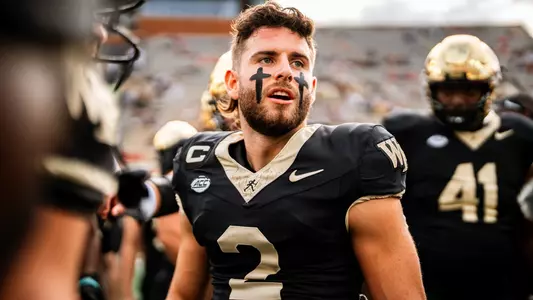
He grew up in our community, helped carry Westfield's championship tradition, became Wake Forest's all-time leading receiver and earned an opportunity with the Philadelphia Eagles. That is already a great football story. However, if the records and the NFL opportunity are all we take from Taylor's journey, we miss the part that can actually help the next athlete.
What stood out to us was how he handled everything around the game. Taylor used football to earn an engineering degree and an MBA, relied on his family without allowing the sport to consume those relationships, and learned how to adapt when the expectations became more demanding.
For young athletes, his story offers a clearer picture of what chasing the next level really requires. For parents, it is a reminder to look beyond offers and playing time when helping their child choose a program. And for coaches, it shows how much influence the adults around an athlete have on the person they become.
There is no guaranteed path to the NFL. But there are decisions young athletes can make that leave them better prepared for football and for everything that comes after it.
Lessons From A Young Legend
After talking with Taylor, we came away with so much more value than anyone could expect. Let's break down the seven lessons we learned during our chat with Taylor.
1. Agents Are A Necessity NOT a Luxury
You need an agent. You need a general manager to have those conversations.
At first glance, agents may seem like something reserved for athletes already playing at the professional level. That is no longer the world young athletes are stepping into. Between NIL, revenue sharing, the transfer portal and contracts that may decide where an athlete plays next, some college athletes are being asked to make professional decisions before they have even finished school.
This is where an agent goes from being a luxury to a necessity. An athlete should be focused on performing, developing and earning their degree. They should not also be expected to sit across from a coach and negotiate their own value without someone in the room who understands the business and is willing to protect their best interests.
However, simply having an agent is not enough. Taylor also reminded us that there are shady agents who may see young athletes as an opportunity to make money. Families still have to ask questions, check references and understand every agreement before signing it. Representation should make things clearer for an athlete, not introduce another person they have to protect themselves from.
2. NIL is Distracting Young Athletes
If I were there and get hurt, is this a place I'd be?
Name. Image. Likeness. The three components of what has come to be known as NIL. First put into effect in 2021, NIL was established as a way to give young athletes a pathway through which they could make a living off their popularity and influence in society. On paper, NIL was designed to not only support growing athletes but businesses as well. However, like many things, we have come to see that we somehow lost the main point of the system and it has unfortunately become the core focus of many young athletes who are seeking to make a fortune out of the program. It only makes sense too because the stakes and the ceiling of the benefits one can reap from the NIL program are so high that many cannot help but set their eyes on what would be the jackpot even before their first professional contract. This has become such a distraction that the things that should matter to a college athlete, like professional careers and good academic results, have taken a back seat to everything else.
3. Do Not Sacrifice Your Family For A Dream Of Making It To The Pros
Spain will always be there. But I'm going to the Eagles.
Taylor and his family, against all odds, managed to maintain a stable relationship without compromising his pursuit of a career in the NFL.
This is easier said than done. Taylor's parents spent years traveling between games and trying to support each of their children. Even after he signed with Philadelphia, his father gave up a planned trip to Spain because it conflicted with an Eagles family weekend. Spain would always be there. That specific opportunity to support his son would not.
This does not mean every family should abandon everything else whenever sports come calling. It means that the people closest to an athlete should never become an afterthought in the pursuit of the next level. The dream can be important without becoming the only thing holding a family together.
4. Use Academic Value To Decide Your Program
Make sure you're leveraging football to get into a school or get a degree that you wouldn't otherwise get.
A lot of college athletes and their families tend to have it backward. The quality of the sports program should not take the lead in helping you decide which school you should attend. Rather, the quality of their academic program and curriculum. The average sports career lasts a decade at best and playing at the topmost level of your sport tends to come only after years and years of hard work and dedication. However, one thing that has remained near constant over the past few decades is the ROI on a college degree. While some may argue that this is declining, it still is more of a guarantee than what you may get out of a sports career. This is not to say that a life in sports is unrealistic or not worth it, but rather to show that academics complement your sports career just as much as hours in the gym or on the field.
5. Players Look Up To Their Coaches a Lot More Than We Realize
From a player's point of view, you feel betrayed.
At the time of our sit down with Taylor Morin, Lane Kiffin's move to LSU was front and center of the college sports world. This gave us a chance to dive into the player-coach dynamic at the college level. One thing we learned here is that the ties between college athletes and their coaches run a lot deeper than many of us realize. When a coach is faced with a potential move or new opportunity elsewhere, they are faced with a tough decision to make. Choose the better offer for personal and business reasons or stay out of a sense of loyalty and responsibility to their current team. The thing that stood out here was that players can feel betrayed when coaches make choices that take the coach away from them. Betrayal is a rather strong emotion, but it is also one that best captures the magnitude of the bonds players share with their coaches at that level.
6. Want To Play In The NFL? Learn To Self Teach
We'll give you the playbook, but you better learn it on your own.
The NFL is as high as it gets in football. It is the top flight football program in the world and has been around much longer than we remember. Over the years, the requirements expected of the average NFL player have changed drastically. There was a time when you needed to be a massive individual, a time when you needed to be faster than anything, but now mental and cognitive ability are key to securing your spot on an NFL roster. Taylor talked to us about the mental demands of playing in the NFL, especially because you are expected to be self-taught in things like team tactics and the playbook. This is by far one of the most underrated skills. This is also why we strongly advocate for youth athletes to commit to their academic journey as much as they do their athletic journey, because self-teaching and learning is a skill that is transferable on both sides. The classroom is the best place to sharpen that skill over time with almost no tradeoff.
7. The Best Skill You Can Learn Is The Skill Of Asking When In Doubt
It's better to do that than line up and not know what you're doing.
Another underrated skill professional players need to have is the ability to ask questions, especially when in doubt. During our talk, we learned that it is better to look a little silly running to your quarterback for verbal confirmation of the next play than to avoid the conversation altogether and put your team at risk.
That same lesson applies to almost every decision an athlete has to make. Ask what is in the contract. Ask how the scholarship works. Ask what happens if the coach leaves. Ask how the credits transfer. You may feel a little silly for a few seconds, but that is always better than making a life-changing decision based on something you were too afraid to ask.
Taylor's story is proof that reaching the highest levels of sports requires much more than raw talent. Your family matters. Your education matters. Your ability to learn matters. Even your willingness to admit that you do not know something matters.
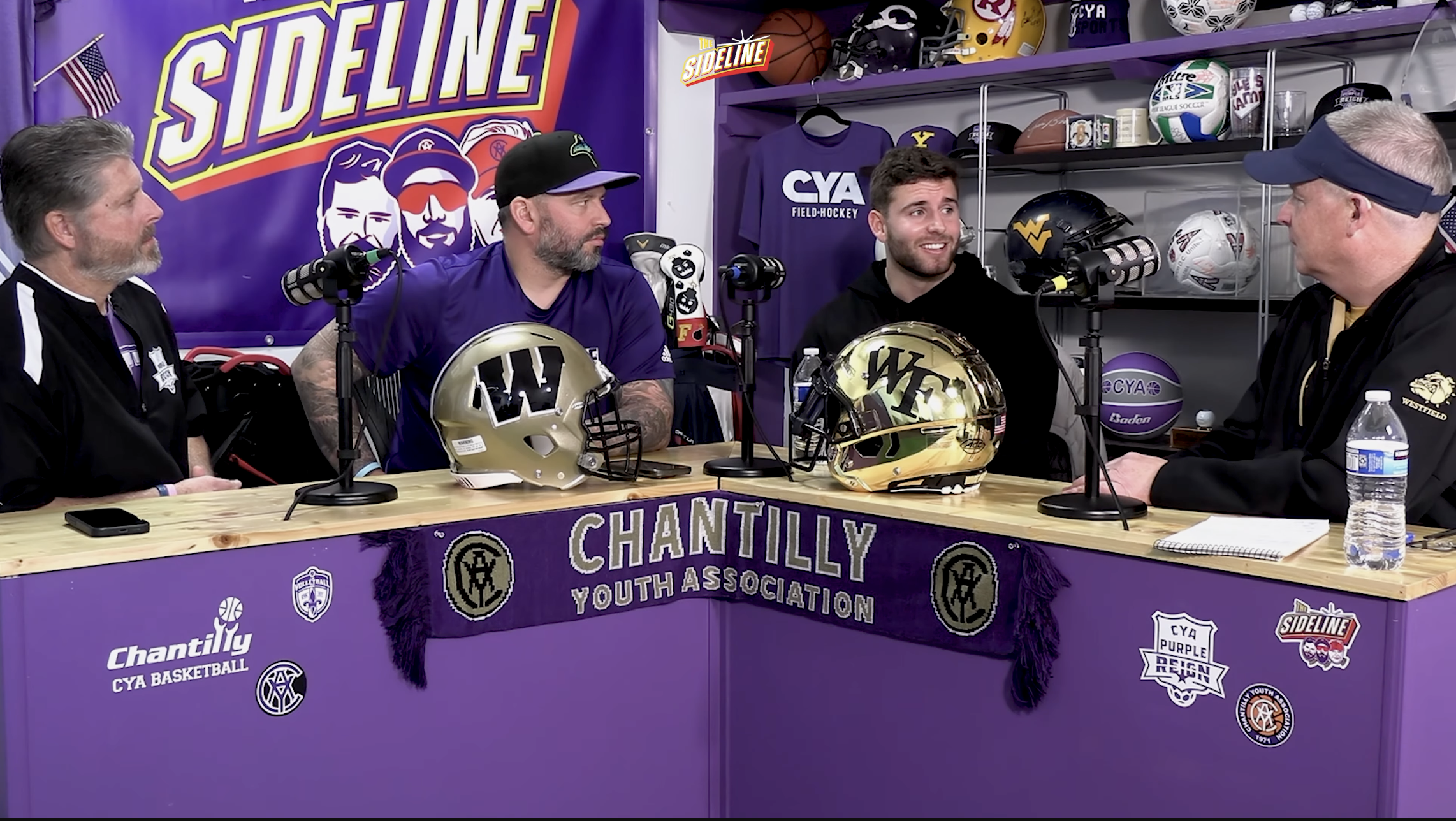
Watch our full episode with Taylor Morin or learn more about his journey from Westfield to Wake Forest and Philadelphia.